

How to Know When Your Firearm Needs a Gunsmith: Practical Tips for Brooklyn Gun Owners—Get Expert Help Before Small Issues Become Bigger Problems
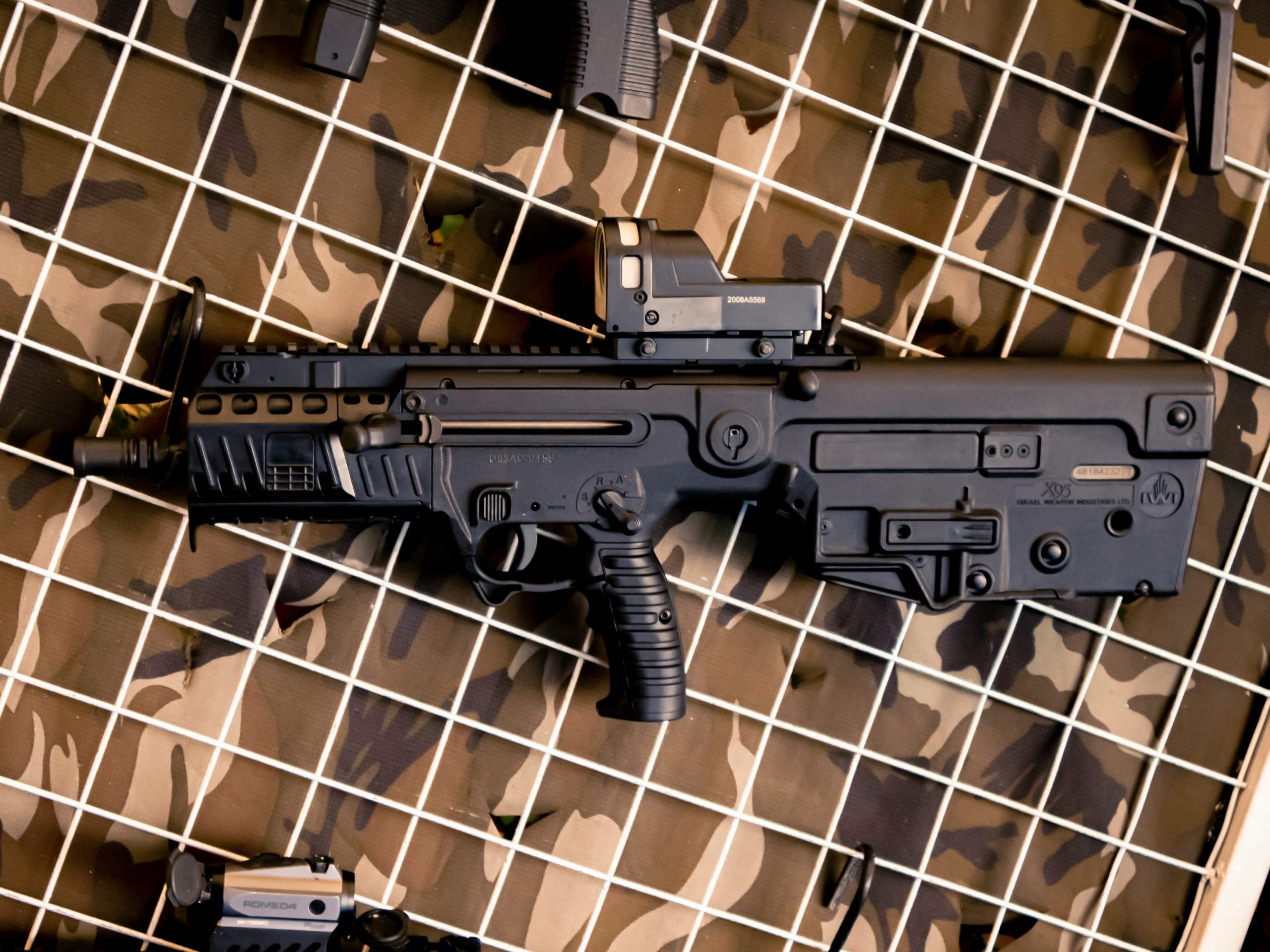
If you are trying to decide what to do when a firearm starts showing signs of trouble, the best first step is to slow down, stop guessing, and pay attention to the exact symptoms. A practical approach begins with safe handling, clearing the firearm, and noting whether the issue involves feeding, extraction, light strikes, poor accuracy, loose optics, or inconsistent cycling. From there, it helps to separate simple maintenance needs from problems that require a trained gunsmith, because not every malfunction is solved by swapping parts or adding accessories. Routine checks like inspecting magazines, looking for visible wear, confirming screws and mounts are properly secured, and cleaning carbon buildup can prevent small issues from becoming bigger ones. Just as important, owners should understand when to bring a firearm in for professional inspection, especially if the problem may involve headspace, timing, lockup, trigger function, or barrel and crown wear. At Orange in Brooklyn, NY, that hands-on evaluation matters because the goal is to identify the real cause of the problem and correct it with careful bench work rather than trial-and-error fixes. This kind of guidance is valuable for new owners who want to build safe habits, as well as experienced shooters working on upgrades, custom builds, or performance tuning. It also saves time and money by helping customers make smarter decisions about repairs, optics installation, fitment, Cerakote finishing, and training after the work is complete. When you understand how to spot issues early, what maintenance you can handle yourself, and when to trust a professional, you get a firearm that performs more reliably and ownership that feels more confident.
Benefits
- Step-by-step firearm inspection tips to spot common reliability issues before they get worse
- Practical guidance on when to choose repair, upgrade, or full custom gunsmithing work
- Actionable advice for improving fit, sight setup, and overall shooting comfort
- Simple ways to test repairs or upgrades safely at the range after bench work is done
- Clear recommendations on training, transfers, and protective finishes like Cerakote for long-term use
A dependable firearm is never the result of guesswork. When owners learn what to inspect, what to leave alone, and when to bring a problem to the bench, they protect both performance and peace of mind every time they head to the range.